
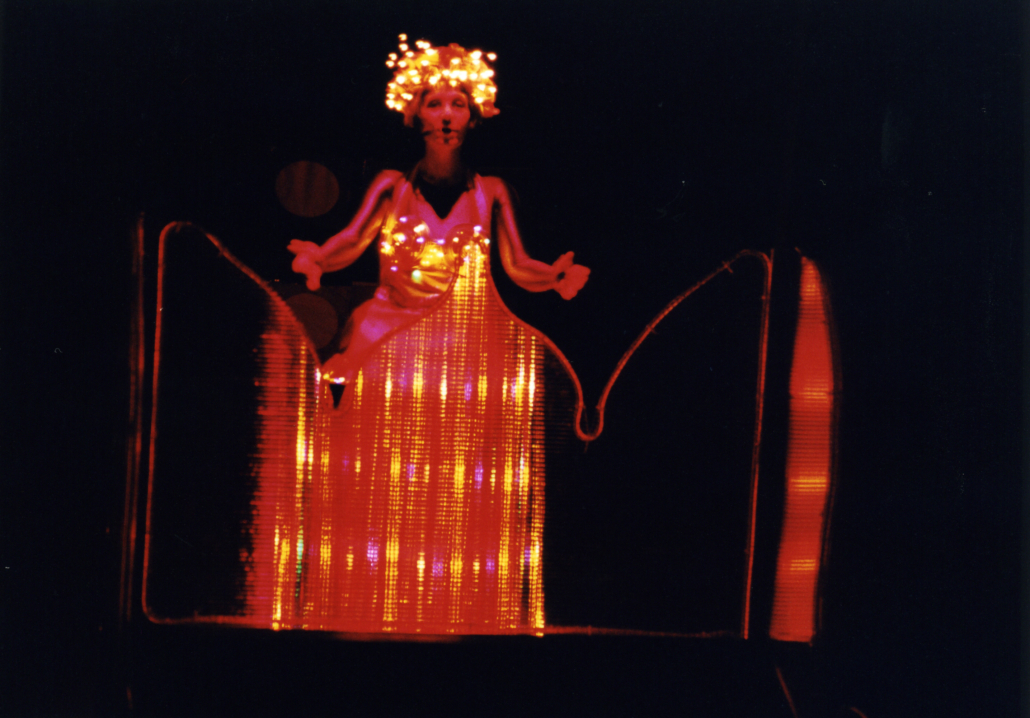

Photos Guy Vivien
Marguerite Ida and Helena Annabel Opera
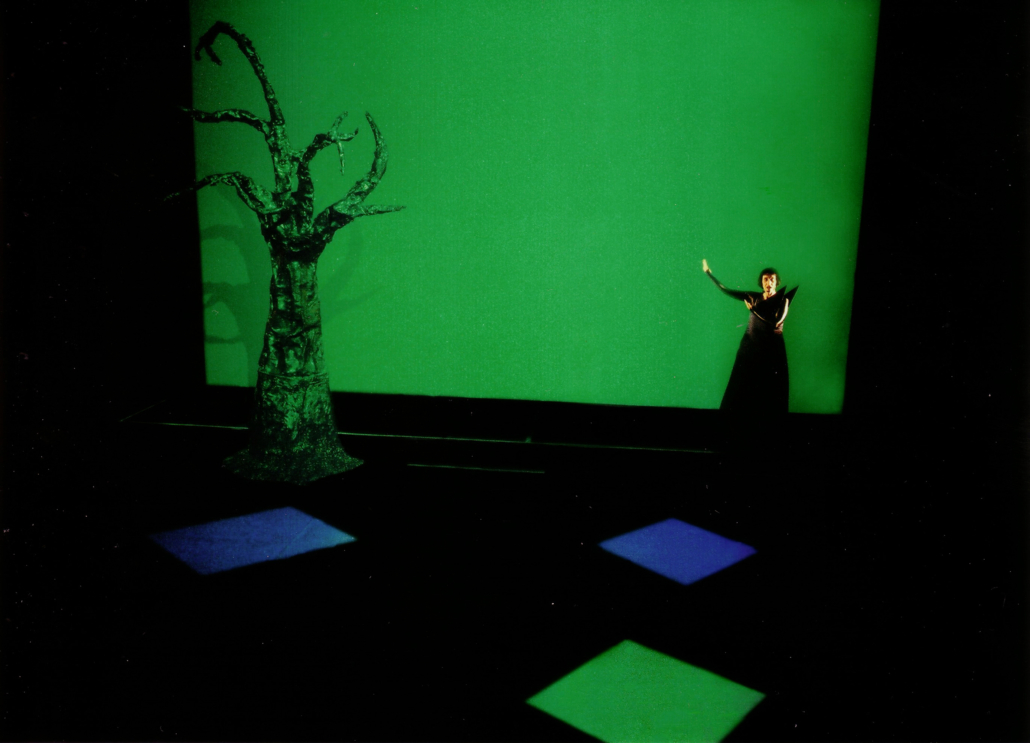
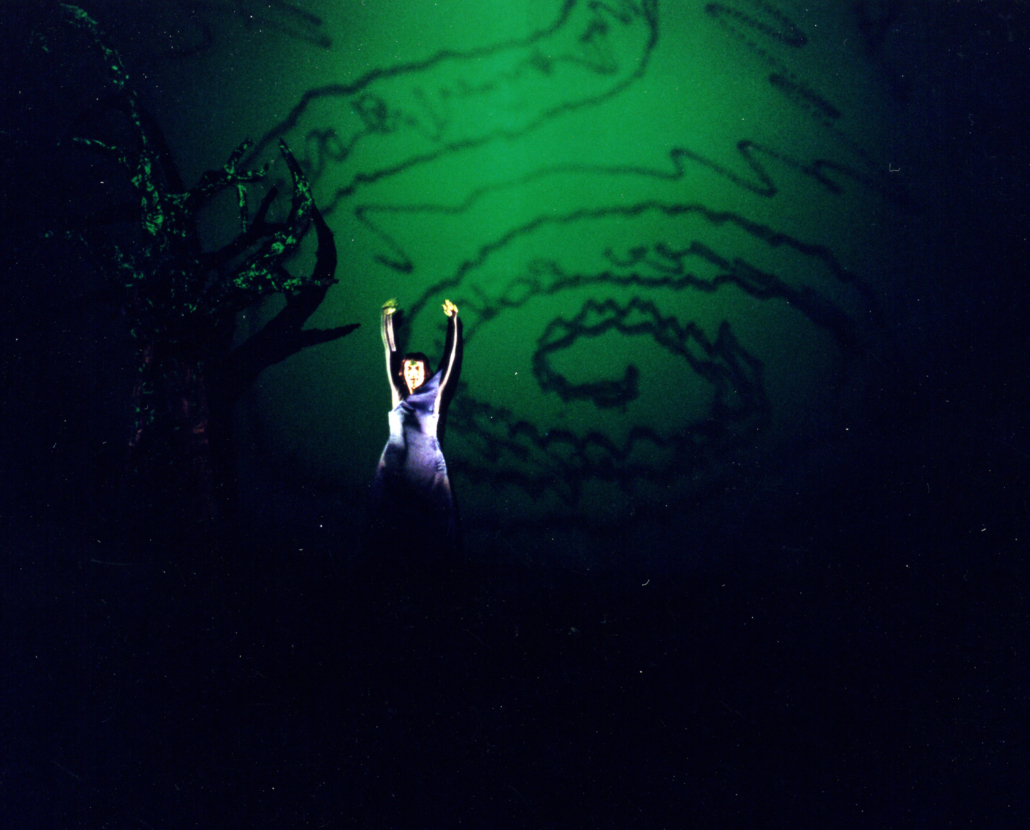
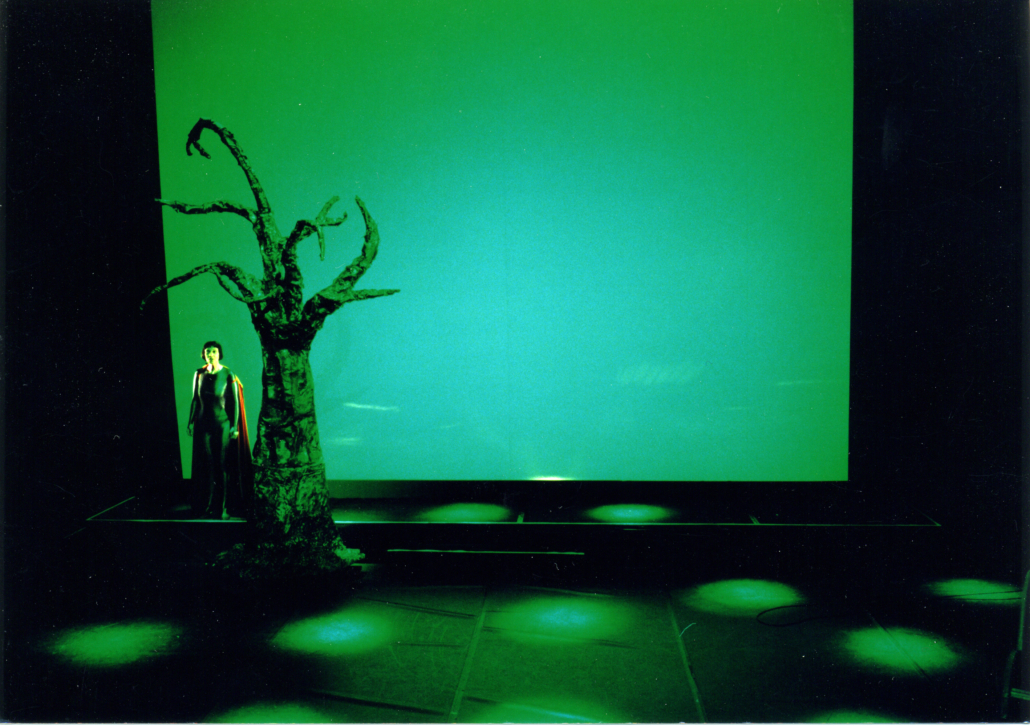
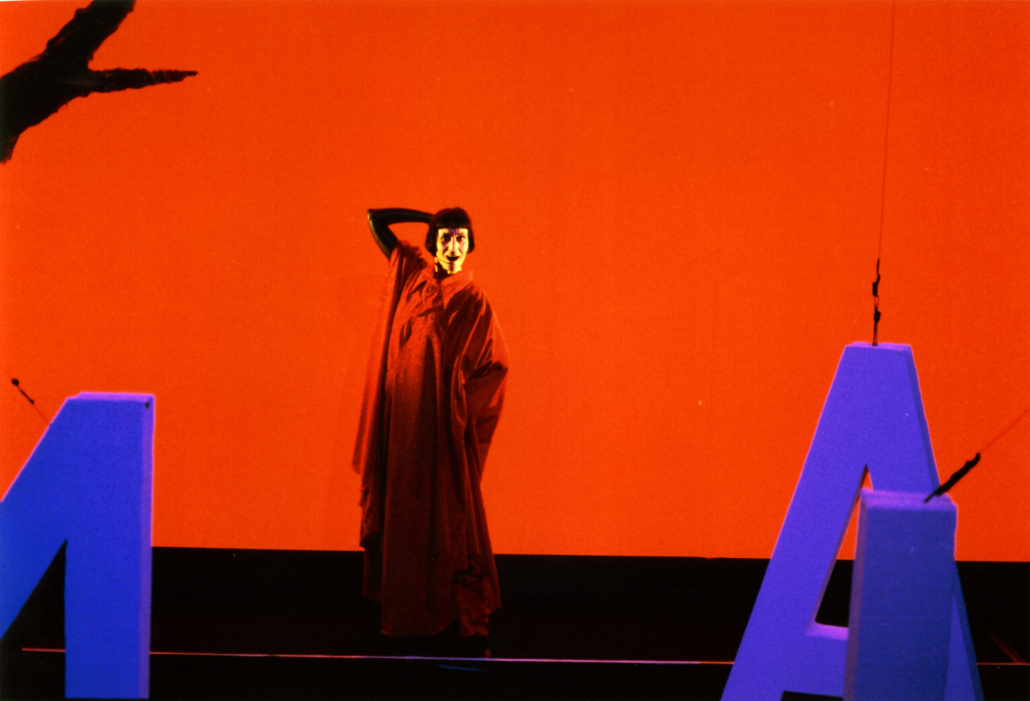
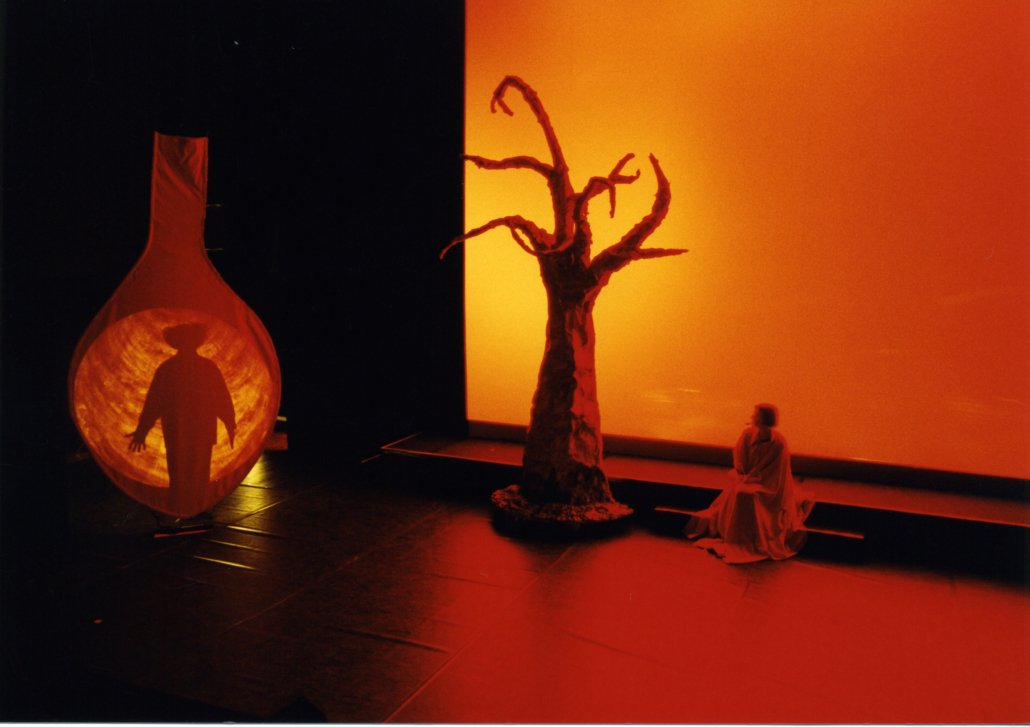
Premiered in April 2000 at the Forum Culturel du Blanc-Mesnil
Based on Doctor Faustus Lights the Lights by Gertrude Stein
An opera for solo voice and chamber orchestra
In 1938 Gertrude Stein wrote Doctor Faustus Lights the Lights, an opera libretto for the American composer Virgil Thomson. Depressed by the outbreak of war in 1939, the composer neglected the libretto and the score never saw the light of day. Nevertheless, the text was adapted for the stage by numerous troupes and directors from the 1960s onwards, notably by the Living Theater, for whom it served as their first production.
It seems unlikely that Doctor Faustus Lights the Lights served as an opportunity for Stein to engage in a dialogue with Goethe and to address the relationship between evil and knowledge. Stein was most familiar with the Faustian myth from Gounod’s opera, which she had discovered as a child. The slightly old-fashioned imagery of the devil is also apparent in the way Faust (always accompanied by a dog saying ‘thank you’) and Mephisto are portrayed.
In fact, Gertrude Stein was mainly interested in the female character of the Faustian myth creating a heroine with four names: Marguerite Ida and Helena Annabel. The construction of her identity and the relationships she has with the other characters lie at the heart of the libretto. Throughout the opera, everyone talks about the heroine (the audience, anonymous admirers, gossips, and so on) transforming her into a modern star, a saint, a character admired by all, radiating grace.
The other major theme of the opera is light: Gertrude Stein lived in Paris and wrote Doctor Faustus Lights the Lights in 1938, one year after the 1937 World’s Fair which saw the triumph of the Electricity Pavilion and the creation of the gigantic La Fée Electricité mural by the painter Dufy… In her libretto, Faust manipulates the lights and gains power thanks to electricity. The parallel is obvious and this is why Marie Claire Pasquier, a specialist in Stein’s work, has entitled her translation Faust ou la fête électrique.
We had previously staged this opera in 1991 with the director Didier Doumergue (who also co-authored the libretto), during the Harlekin Art Festival in Metz.
Extracts of MIHAO (2000)
Camera : Jean Hermann
Sound : Charles Frossard
Conformation : Philippe Dayan
Realisation : François Ribadeau
Presse
La Terrasse, april 2000
The four faces of Eva Schwabe
Composer François Ribac directs the French version of his chamber opera Marguerite Ida & Helena Annabel based on a text by Gertrude Stein. His partner and performer Eva Schwabe gives her all to lend voice and life to these four women who are, in fact, one.
She sings, he composes; she writes the libretto, he directs. She is Eva Schwabe; he is François Ribac—the two halves of the Ribac/Schwabe Company, which has already brought us numerous genuine successes in the realm of contemporary opera and musical theater. Their latest venture brings to life a score originally created in 1993 (the recording is available on the No Man’s Land label) based on a text by Gertrude Stein. In 1938, Gertrude Stein wrote the libretto for the opera Doctor Faustus Lights the Lights for Virgil Thompson. However, the American composer—deeply depressed by the war—abandoned the project, despite the success of two earlier collaborations. More than sixty years later, François Ribac has recovered this text (which had meanwhile seen several theatrical stagings) to produce a chamber opera in his eclectic, playful and electric style. The work is entirely centred on the multi-faceted personality of its heroine with four first names: Marguerite is the first name of Gretchen, Faust’s bride; Stein was fond of Ida, (the title of one of her novels); Helena seems to be the Trojan prisoner present in Goethe’s Faust, Part Two, Annabel perhaps to rhyme with “very well”… This accumulation of names is the subject of an insistent, almost litany-like celebration; this diversity is the very theme of the show.
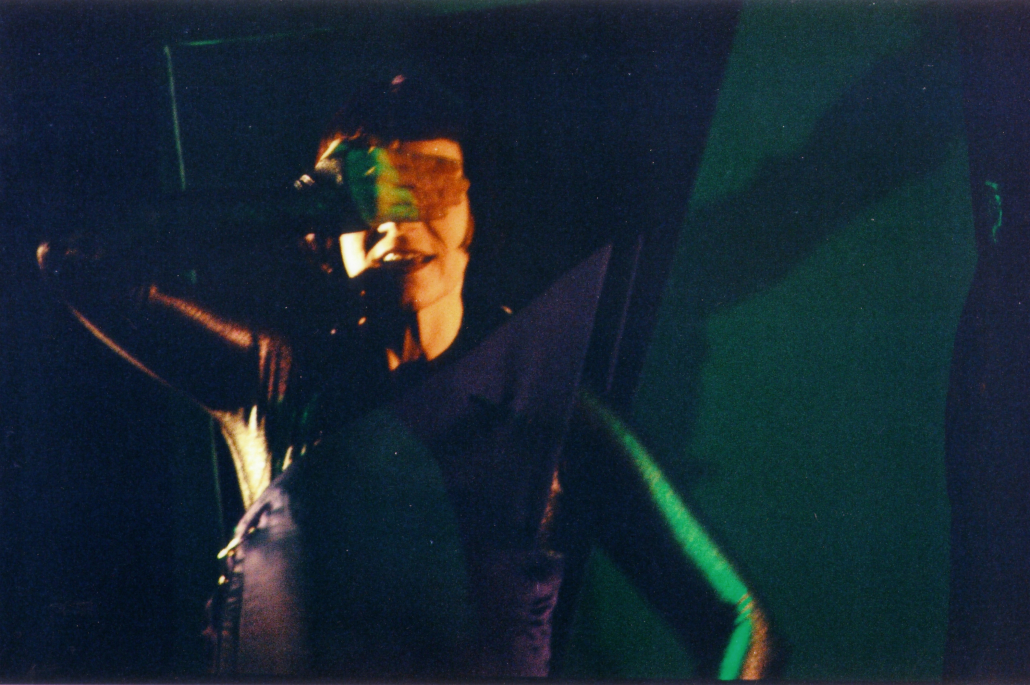
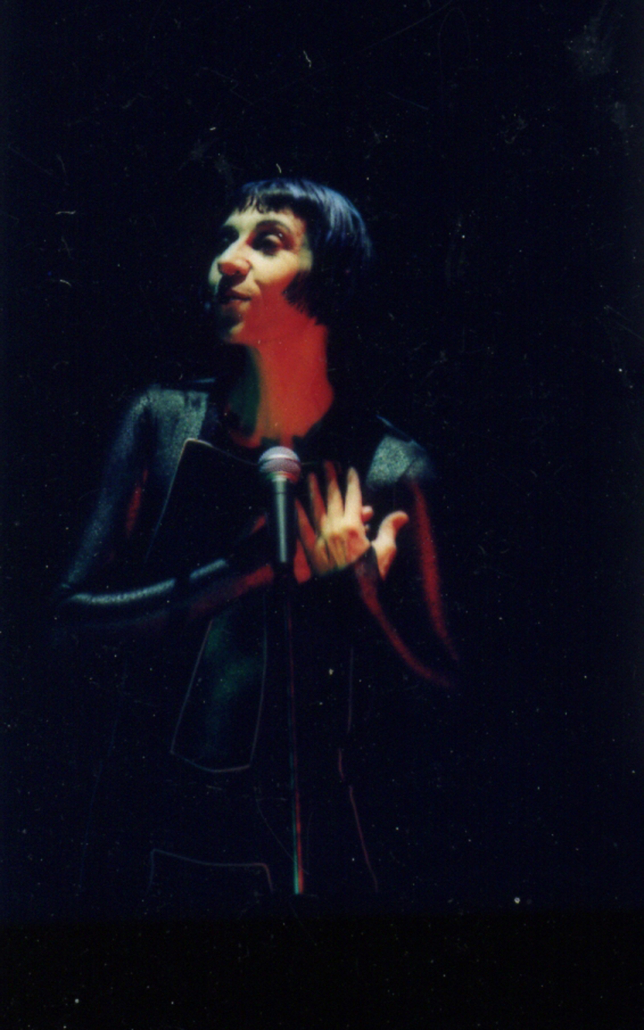
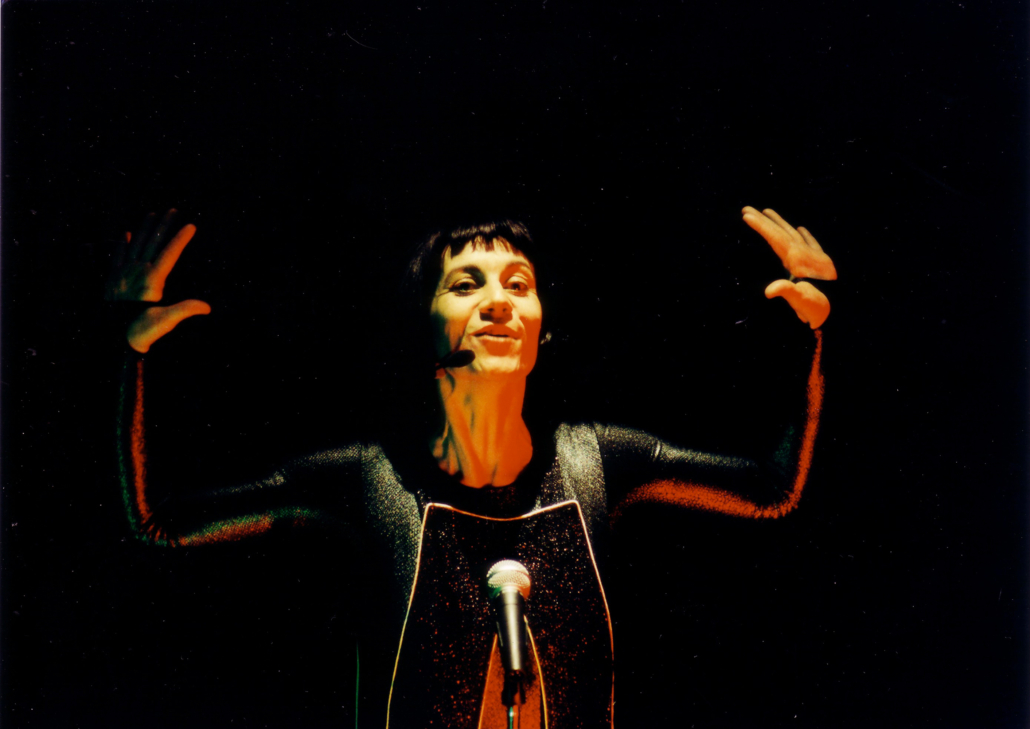
Eva Schwabe is the sole performer of Marguerite Ida & Helena Annabel. She plays not only these four women who are one and the same, but also Doctor Faustus and his dog who speaks and says: “thank you”, Mephisto and his cohorts, the biting viper, the peasant woman, and the town gossips. This exceptional performance as both singer and actress also requires her to traverse the full range of François Ribac’s sound landscapes across the four acts: from a classical orchestra of strings and woodwinds orchestra, and a jazzy brass band to guitar and accordion, and finally rock and synthesizers. “The voice has been at the centre of my thinking and my work my very beginning,” Ribac admits. “For someone like me, with a background in rock and jazz, creating operatic productions is no coincidence. I believe there is a close relationship between rock, jazz, and vocal music.”
On 18, 19 and 20 April at 8:30 pm, on 21 April at 7 pm at the Forum Culturel du Blanc-Mesnil (93).
Tel 01 48 14 22 22. Tickets: 100 F
Jean Lukas
Le Monde, april 20, 2000
M. I. H. A. O
Inspired by Gertrude Stein’s text Doctor Faustus Lights the Lights the chamber opera M.I.H.A.O.(Marguerite Ida et Helena Annabel Opéra) is a work for soloist and recorded music by composer and bassist François Ribac and singer-actress Eva Schwabe. Their company—in residence at the Forum Culturel du Blanc-Mesnil (as reported in Le Monde on April 23, 1999)—presents a heroine with four first names who seeks Doctor Faust’s help and must confront Mephisto in a production where music, text (the libretto is by Eva Schwabe and Didier Doumergue), lighting design, and imagery are intimately intertwined. It is a fresh opportunity to discover Ribac’s rich and inventive musical world.
Sylvain Siclier
Forum culturel du Blanc-Mesnil, 1-5, place de la Libération (93). Mo Bobgny-Pablo-Picasso + navette. Les 19 et 20, 20 h 30 ; le 21, 19 heures. Tél. : 01-48-14-22-22. De 35 F à 100 F.
Excerpts from the German press (1993/1994)
Marguerite Ida Helena Annabel CD
TIP Berlin
The singer and actress Eva Schwabe embodies Marguerite Ida and Helen Annabel, as well as Mephisto and Doctor Faustus, at times a fiercely boisterous lover, at others a questioning caller in the human desert populated by vipers. …The atmospheric Marguerite Ida & Helena Annabel Opera is reminiscent of Brecht-Weill works – melancholy vocal theatre.
Anna-Bianca Krause
Indigo Notes
The result is a fascinating collage of spoken-word passages, ambiguous and music that is rich in ambiguity and layers. Ribac plays with elements of modern classical music as well as with jazzy influences, he uses a whole palette of stylistic devices … and above it all is hovering, giggling, suffering, and moving us is the remarkably versatile voice of the great Eva Schwabe.
Wolfgang Klebe
Frankfurter Rundschau
Ambiguity is the concept, the piece a collage. The seemingly simple verses of the original English text, playing with repetition and inversion are melodious aphorisms whose rhythm the actress brings out brilliantly. Supported by Ribac’s jazzy or classical, often floating music. At times, she shifts into Sprechgesang, only to return shortly thereafter to passages reminiscent of arias.
Dirk Fuhrig
Saarlouiser Rundschau
Sharply defined motifs call for difficult moods and rapid passages to a duel, allowing the playful, lyrical imagination free rein. Shattering conventional norms, an extremely ambitious work grows that challenges the intellect.
Rainer Guerich
Latest news
 16th march 2026 – Some news16 March 2026 - 10h00
 François Ribac 16-03-1961 – 06-11-202415 November 2024 - 11h38

