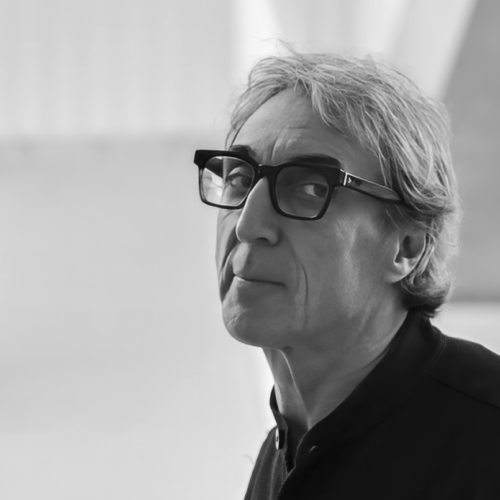
François Ribac
Composer and sociologist
1961-2024
In 2008, François submitted a thesis on the ways in which popular music (rock, hip hop, techno) was learnt in the early 2000s: Feedback! Towards a genealogy of popular music
Why sociology ? There is now a Wikipedia article that explains it all. But François himself recounted the story in detail in an interview given in 2017.
How did you come to study sociology?
After writing music for the stage and for film for around ten years, I founded a musical theatre company in 1995 with my partner, Eva Schwabe. We put on a series of shows and, in 2002, Le Grand Théâtre de Reims – the city’s opera house – staged one of our productions, QUI EST FOU? after it had won an award from the SACD (Société des Auteurs et Compositeurs Dramatiques). However, we were relatively unconventional within the production and performance circuits in which we were involved.
My music is quite rock– amplified vocals and instruments – and also draws on the musical theatre of Bertolt Brecht and Kurt Weill. Most of the singers we worked with came from a rock and jazz background rather than a classical one, and we tended to use German and English rather than French for our librettos. Although some in the professional community found us original, and consequently booked us and produced our projects, we also faced negative reactions, particularly from certain experts (the exact term is ‘music inspectors’) at the Ministry of Culture. I then realised that I needed to reflect on this sort of disconnect between what we regarded as innovative approaches – such as the use of microphones by vocalists or video on stage, for example – and the standards set by these experts.
There were, in fact, certain things that, from my point of view, didn’t quite add up. If contemporary music was so modern, why did it favour instrumental and vocal techniques associated with the nineteenth century? Why did contemporary composers always refer to rock as ‘commercial music’, even though the classical and contemporary music scenes were so heavily shaped by commercial transactions? For me, counter-cultures and certain types of experimental rock also represented an alternative to commercialisation. I found these divisions all the more baffling given that I enjoyed many contemporary repertoires. However, I also realised that my differences with the ‘modernists on the other side’ mainly concerned repertoires, and that I was drawing on arguments and categories that were comparable. Moreover, some of my musical passions, such as the Beatles for example, could not really be considered avant-garde. My reasoning was therefore flawed. Finally, I must add that this particular period coincided with the rise of techno, which I viewed with great interest, but which was also regarded, by those very same circles, as a sort of ersatz form of electronic music.
I therefore needed to understand the value of rock and the musical and theatrical repertoires I held dear. So I began reading up on the subject, turning to works in English and sociology. This turn to theory felt all the more ‘natural’ given that, in creating our operas, we drew inspiration from essays, art history and philosophy. I first discovered… the works of Simon Frith and then the writings of the other founders of Popular Music Studies.
I was fascinated by the debates on the supposed opposition between popular and classical music, and on the aesthetic quality of popular music. I also read Howard Becker, and the work of Antoine Hennion, which had a profound impact on me because it demonstrated the importance of objects and mechanisms, and highlighted the significance of the controversies surrounding them. In his presentation, taste and music were neither something that masked something else (e.g. membership of a specific class or social group), nor were they ‘pure’ music. Yet, as a musician and theatre practitioner, I was constantly immersed in discussions concerning objects and their uses.
More generally, sociological approaches thus enabled me to understand that the issue was less about whether rock and the genres that followed it (hip-hop and techno) were (or were not) good, and more about grasping how this quality was expressed or denied. From that point on, it became more interesting to examine the debates on quality and the way in which these concepts were employed. I would add that this sociological pragmatism was well suited to the diversity of my tastes and the hybrid nature (but then, what isn’t hybrid?) of musical theatre.
…it made me want to engage in a broader reflection on the history of music, its production, consumption and uses – to practise sociology myself! I first published L’Avaleur de rock in 2004, which explored the importance of recorded music in popular music and musical genres, then worked from 2004 to 2008 on a PhD thesis with Marco Leveratto in Metz and Simon Frith in Scotland.
Published on 27 February 2018 in Musicalist; you can read the full interview here
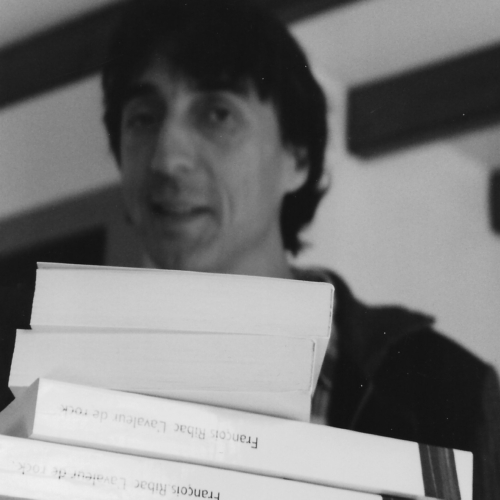
As part of his theoretical work, François has published books, articles and other texts.
Many of these publications can be accessed online.
He has also regularly updated his socio[b]log.
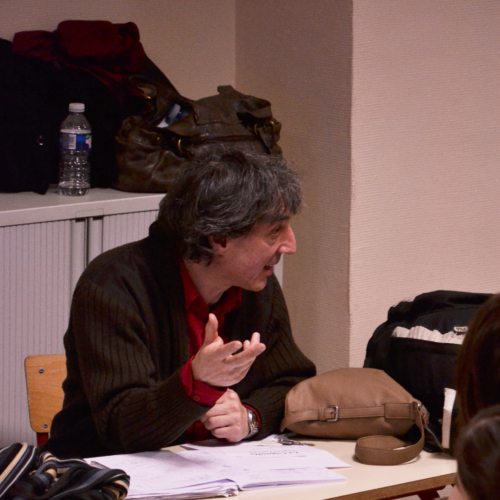
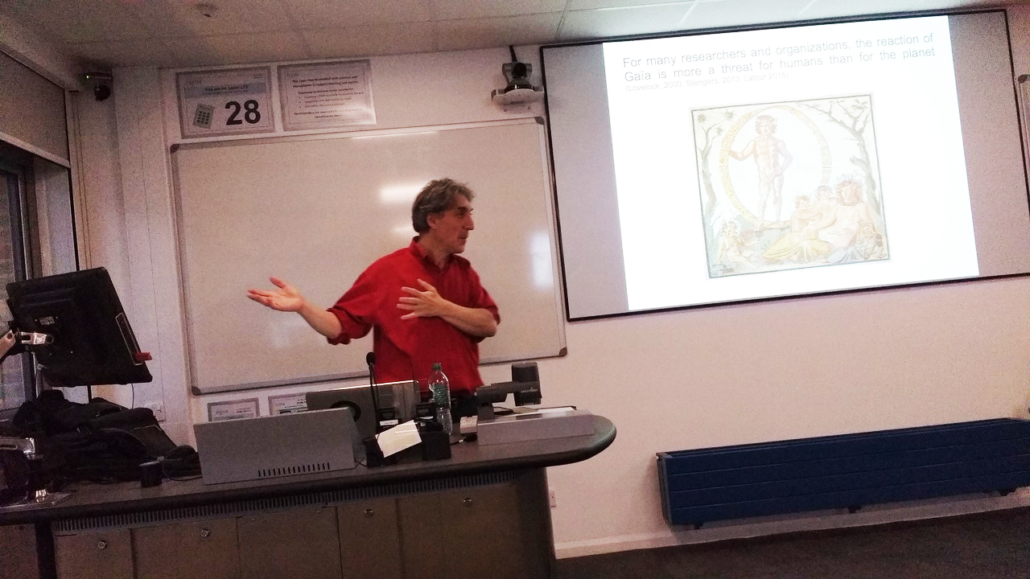
François has frequently led conferences and seminars. In French, with a small number in English.